

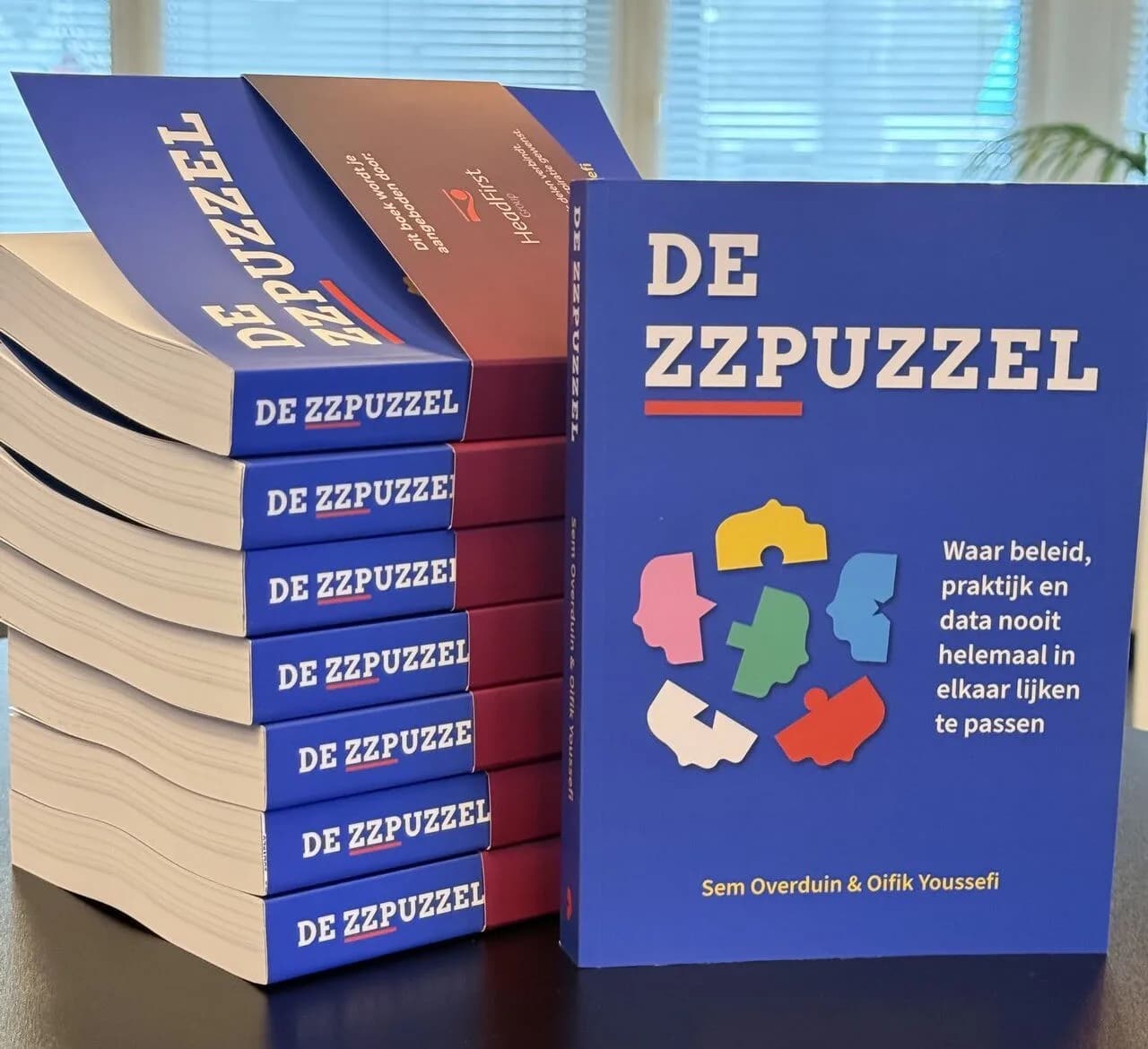
Since the lifting of the enforcement moratorium on 1 January 2025, the use of freelancers has once again become a daily topic of conversation within organisations. Managers, recruiters and purchasers are seeking clarity: what is still possible, what are the risks, and how do you ensure continuity in a time when scarcity and compliance intersect at a rapid pace. At the same time, it turns out that much of the unrest does not so much stem from the rules themselves, but from a lack of shared understanding of how the dossier has developed over the past twenty years. Precisely for that reason, De ZZPuzzel is now being published, a book that provides clients with context, clarity and an overview in a dossier that has dominated the labour market discussion for years.
Finally, an overview of twenty years of labour market policy
The book offers a unique reconstruction of various policy choices, reports, legal developments and political discussions that have led to the current situation. From the VAR to the Wet DBA and from the Borstlap Commission to the VBAR legislative proposal: De ZZPuzzel shows how the freelance dossier has developed, where it got stuck, which bottlenecks are on the table and why this is so relevant for clients today. This historical context is crucial because without understanding where the dossier comes from, it is difficult to get a grip on it in the here and now.
Why clients are being guided by unrest
Clients operate in a field of tension. On the one hand, they want to comply with laws and regulations and avoid reputational risks. On the other hand, projects must continue, expertise is scarce, and the need for highly qualified freelancers appears to be increasing. The book shows that this tension is not new. Many of the reflexes organisations are showing today – such as stopping or limiting the use of freelancers – stem from persistent misinformation, media portrayal, political uncertainty and large differences in taxation and social security between contract forms. De ZZPuzzel makes it clear that a significant part of current concerns is not based on facts, but on misinformation, negative portrayal of freelancers, the way the debate has been conducted in recent years and the quality of policy proposals. It thus provides clarity and context for a more balanced consideration.
Facts Above Feeling: What Every Client Should Know
One of the key insights from the book is that today’s freelancers are no longer on the fringes, but a structural part of the modern labour market. The vast majority consciously choose self-employment, bringing knowledge, flexibility, and agility that organisations cannot simply overlook. Clients who understand how regulations work, what the actual risks are, and what is mainly sentiment-based, are stronger in their decision-making. The book assists by explaining topics such as the holistic test, labour law, and the role of enforcement in an accessible manner. No scare tactics, just facts and legal realities
From Compliance to Strategic Use of Talent
Besides laying out the self-employment file, the book offers clients a chance to look ahead based on perspectives from various labour market experts they consulted. In one of the chapters, the authors guide the reader to a fundamental question: how do you organise work in a way that suits the future of your organisation? And how do you engage in conversation with freelancers? Also, the value of autonomy, craftsmanship, and flexibility within modern talent strategies. For organisations reliant on highly skilled professionals, understanding this dynamic is essential. The book helps in developing this strategic view by outlining the broader developments in the labour market and clarifying the role freelancers play within it.
Why This Book Is Relevant Now
With the resumption of enforcement on bogus self-employment, the ongoing debate on legislative proposals like the VBAR, and the broader call for reform of the social security system, 2026 is set to be a significant year.
Many organisations are uncertain, reassessing their recruitment policy or seeking confirmation that they are making the right choices. The Freelance Puzzle provides precisely what's needed in this phase: an overview, historical context, facts, and new insights. For clients who want to get a grip on the socio-political discussion and are interested in the file, the book is an undeniable reference work.
Request the Book for Free
HeadFirst makes The Freelance Puzzle available for clients who need more clarity, context, and strategic insight. The book helps you to continue collaborating confidently with freelancers and to prepare your organisation for the labour market of tomorrow. Request The Freelance Puzzle for free!