

Strategic HR often sounds complicated. Nice words on paper, but in practice, it proves difficult to apply. Organisations struggle with plans that are too static, processes that move too slowly, and teams that cannot respond quickly enough to change. This can lead to missed opportunities, overburdened employees, and a workforce that does not adequately align with the strategy. The key lies in connecting skills, data, and outcomes. Organisations that do this well can build agile teams that can scale quickly and deliver measurable results. It is not about roles or titles, but about what people can do and what they achieve together. This is crucial in a world where organisations must continuously anticipate new challenges.
Agility as a competitive advantage
Agility is indeed a competitive advantage. Projects shift, priorities change, and the demand for specific skills can suddenly rise. Organisations with an adaptive workforce can respond quickly: redeploy staff, scale up teams, or enlist new expertise precisely when needed. This goes hand in hand with data-driven insights. Those who have visibility into available skills, the market value of those skills, and potential risks can make decisions more quickly and plan more effectively. This way, HR becomes not a reactive process, but a strategic tool that helps organisations move forward. It helps leaders not only to make choices but also to understand the impact of those choices in the short and long term.
Planning that moves with you
Traditional workforce planning is often static: a report is made, and a few months later it is outdated. Organisations that deploy strategic planning dynamically gain continuous insight into their workforce and can adjust more quickly. It starts with the objective: what results are important, what skills are required for that? Next, it is mapped out who is already available, from permanent staff to flexible workers and partners. With that overview, scenarios can be created: what happens if priorities change? Which roles are crucial, which can be reshuffled? Thus, workforce planning becomes a living instrument that helps organisations act quickly and achieve the right results.
Dynamic planning also means that organisations are better prepared for unexpected events, such as new projects, changing market conditions, or sudden scarcity in certain skills. It helps teams not only with task distribution but also with prioritising strategic projects.

Skills over roles
An important trend is that roles are becoming less important, and skills are becoming increasingly so. Teams are assembled based on competencies and outcomes, not on paper based on titles. This makes organisations more flexible and better able to achieve results quickly. By working with reskilling and flexible contract forms, employees can continuously adapt to changing priorities. This keeps the workforce agile and creates a strategy that has a direct impact on performance and business outcomes. Organisations can, for example, deploy internal talents more quickly for new projects or retrain and upskill employees as the market demands.
HR that really delivers impact
Ultimately, strategic HR is about measurable impact. Organisations want to make decisions faster, deploy talent more effectively, and have teams that are scalable across projects and markets. Those who leverage strategic HR well combine people, partners, technology, and data in one ecosystem. This makes it possible not only to plan but also to truly progress. Workforce strategy thus becomes not a theoretical concept but a practical tool that helps make choices, achieve results, and continuously improve. Would you like to learn more about how organisations can deploy talent in a sustainable and inclusive manner? Read this blog.
The result? Teams that are agile and efficient, employees who use their skills to the fullest, and an organisation better prepared for change. Strategic HR then becomes not an abstraction, but a powerful means to achieve concrete business goals. Discover how we can help you build a flexible HR strategy in an constantly changing labour market.
See also

Enforcement of rules against bogus self-employment makes it harder for six in ten self-employed workers to secure assignments
Crackdowns on bogus self-employment are reducing the number of assignments; self-employed workers lack clarity, and confidence in the policy remains low
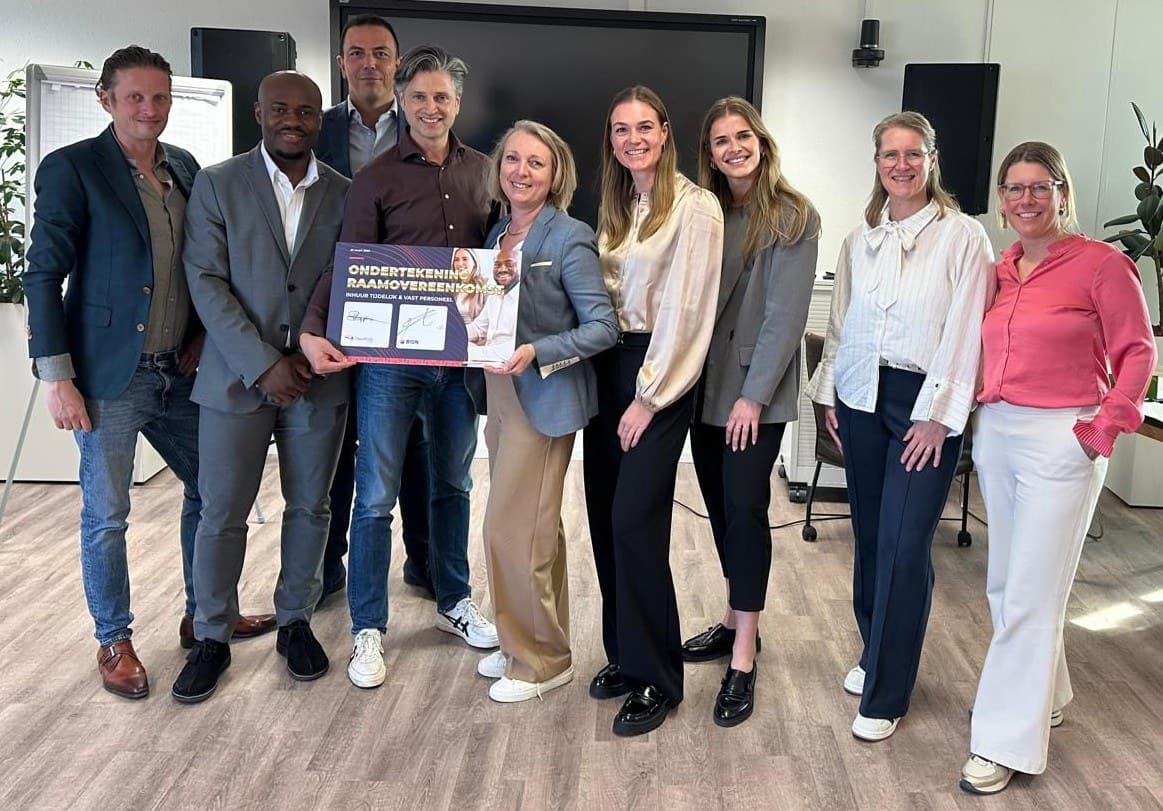
Following a successful tender, HeadFirst Group remains BIDN’s primary supplier of IT capacity
HeadFirst Group Wins BIDN Tender and Expands Partnership to Include IT Staffing and Permanent Hiring

Top-level sport, talent and networking: an unforgettable evening at The Dutch Masters
An exciting evening at The Dutch Masters: elite sport, networking and socialising in the HeadFirst Group Lounge.