

Bringing on a new recruitment partner is both an opportunity and a risk. On one hand, it offers room for innovation, standardisation, and better control over your recruitment. On the other hand, you don't want to be without the right professionals at any point. The key to success? A well-organised implementation and migration.
In practice, many organisations struggle with the transition to a new intermediary or MSP. Contracts need to be transferred, suppliers informed, systems set up, and processes aligned. Without good preparation, this can lead to delays, confusion, and even loss of talent. Fortunately, this doesn't have to be the case.
Phase-based working: from preparation to aftercare
A successful implementation doesn't start on the day of the award, but before. By analysing internal processes during the start-up phase, informing those involved, and preparing a draft plan, you establish a solid foundation. The implementation then proceeds in clear phases:
- Development phase – In this phase, processes are designed, systems set up, and communication plans drawn up. Think of aligning roles, setting up dashboards, and preparing for the migration.
- Onboarding phase – Here, suppliers and professionals are informed, work instructions prepared, and internal stakeholders taken through the new way of working. Workshops, information sessions, and clear documentation ensure support and understanding.
- Go-live and aftercare – The service goes live, but the support does not stop. By monitoring, feedback loops, and presence on location, the transition is smoothly guided. Any bottlenecks are quickly identified and resolved.
Noise-free migration
One of the biggest challenges is migrating existing contracts. Particularly in large organisations, there can be hundreds. A smart approach is to divide them into two lines: a first line with contracts that are easy to migrate and a second line with more complex files (for example, due to DBA risks or divergent terms).
By freeing up extra capacity on contract management and working with a migration dashboard, you maintain control over progress. Every step – from data collection to validation and signing – is monitored and coordinated with the client. This way, you avoid surprises and ensure continuity.

Clear communication = half the battle
Implementation stands or falls with communication. Both internally and externally. Suppliers and freelancers need to know what is changing, what is expected of them, and where they can go with questions. By working with communication matrices, templates, and Q&As, you ensure consistency. And by providing personal guidance – for example, through partner managers or field managers – you build trust and involvement.
Compliance from day one
A new collaboration is the ideal time to secure compliance. Think of updating contract terms, assessing DBA risks, and setting up chain statements. By making this an integral part of the implementation, you prevent legal risks and lay a solid foundation for the future.
Make it easy for yourself with an experienced partner
A well-organised implementation and migration are not a side issue, but essential for successful cooperation with your hiring partner. By working with clear phases, sufficient capacity, smart tooling, and clear communication, you ensure a flying start – without compromising on quality, speed, or compliance.
And the best part is: an experienced intermediary or MSP can take care of this entire process for you. From preparation to go-live and aftercare, they ensure a smooth transition, risks are minimised and continuity is maintained. This way, you can focus on the content, while the implementation is carried out professionally and effortlessly.
See also
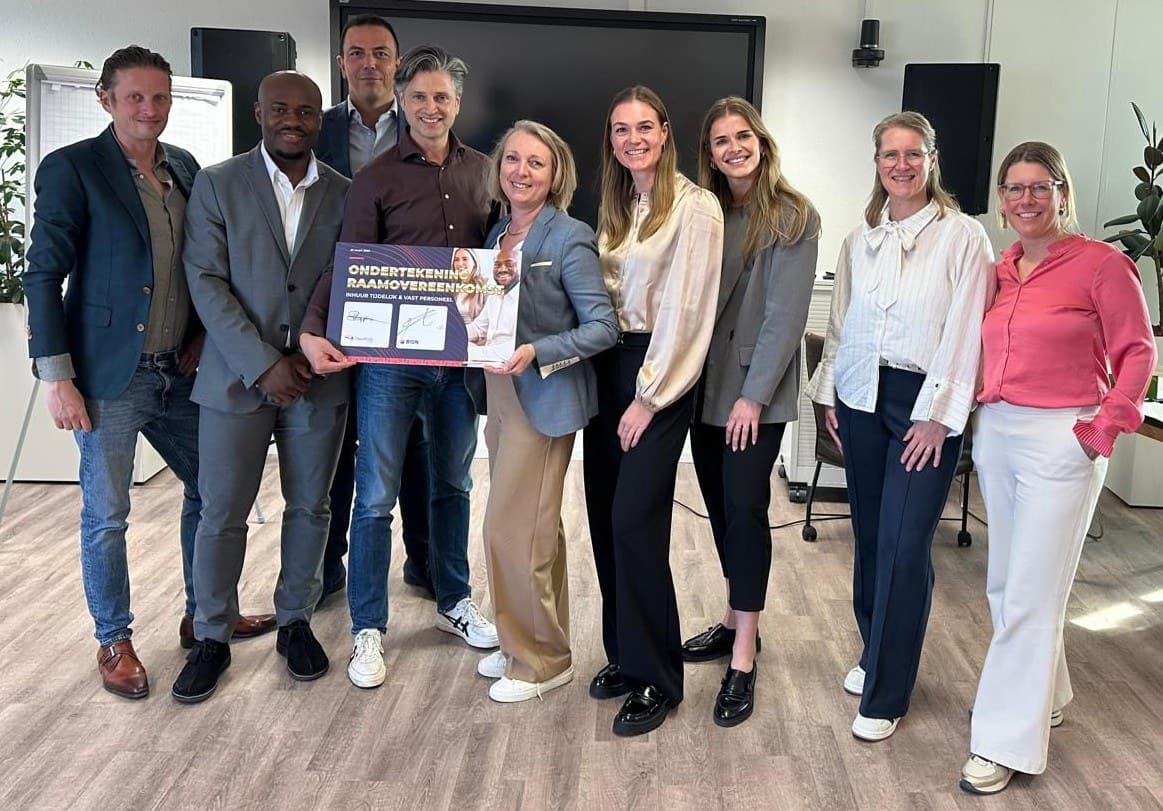
Following a successful tender, HeadFirst Group remains BIDN’s primary supplier of IT capacity
HeadFirst Group Wins BIDN Tender and Expands Partnership to Include IT Staffing and Permanent Hiring

Top-level sport, talent and networking: an unforgettable evening at The Dutch Masters
An exciting evening at The Dutch Masters: elite sport, networking and socialising in the HeadFirst Group Lounge.

IT and supply chain professionals wanted in logistics and manufacturing
Digitization and automation are driving up demand for IT and organizational professionals in logistics and manufacturing.